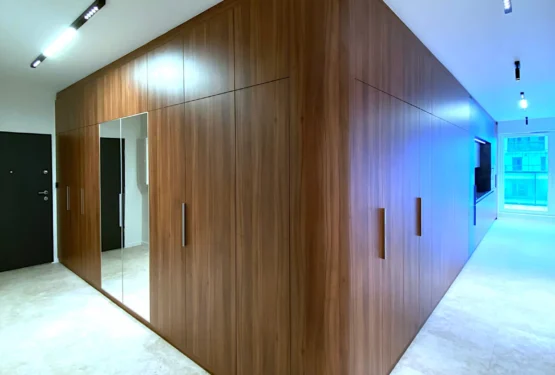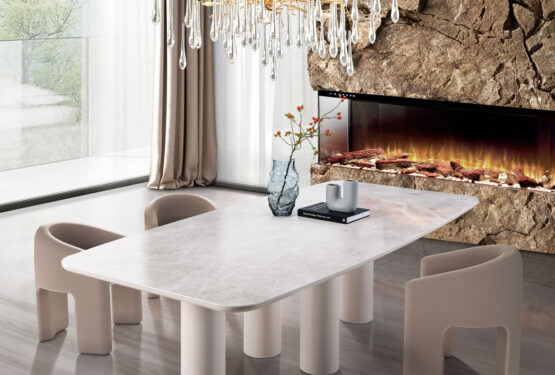

In modern interiors, wall panelling is no longer just a background element—it often defines the entire space. Whether in residential settings or commercial environments, designers are increasingly turning to bespoke solutions that combine visual impact with practical efficiency. One material that consistently delivers on both fronts is MDF (Medium Density Fibreboard), especially when paired with CNC machining. This combination allows for a level of precision and creative freedom that would be difficult—and often costly—to achieve with traditional materials.
Why MDF Works So Well for Custom Panelling
MDF is an engineered wood product made from fine wood fibres compressed under heat and pressure. What makes it particularly valuable for interior applications is its consistency. Unlike natural timber, it has no grain, knots, or irregularities, which means it behaves predictably during cutting and finishing.
For designers and fabricators, this translates into clean lines, smooth surfaces, and reliable repeatability—essential when working on bespoke or large-scale projects. It also holds its shape well in stable indoor conditions, so once installed, panels maintain their alignment and finish over time.
CNC Technology: Turning Ideas into Reality
The real transformation happens when MDF meets CNC (Computer Numerical Control) routing.
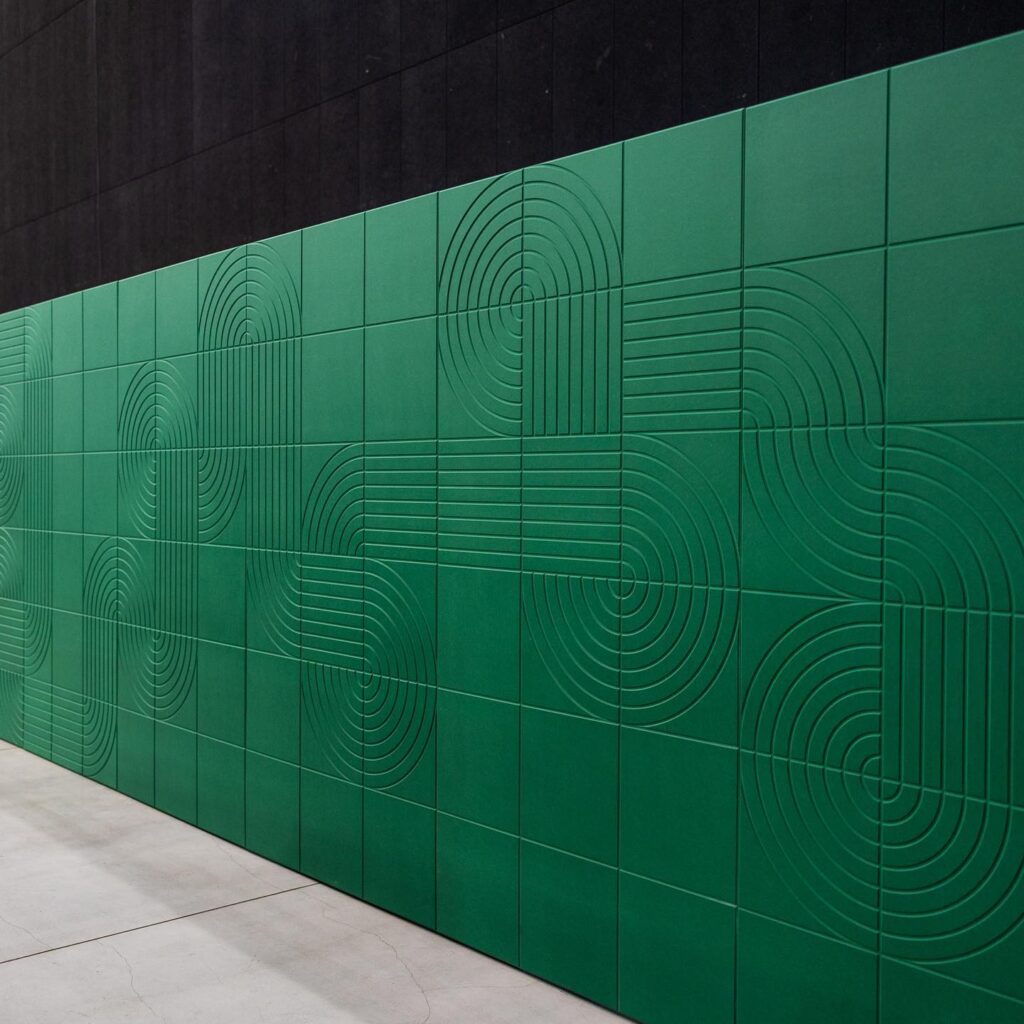
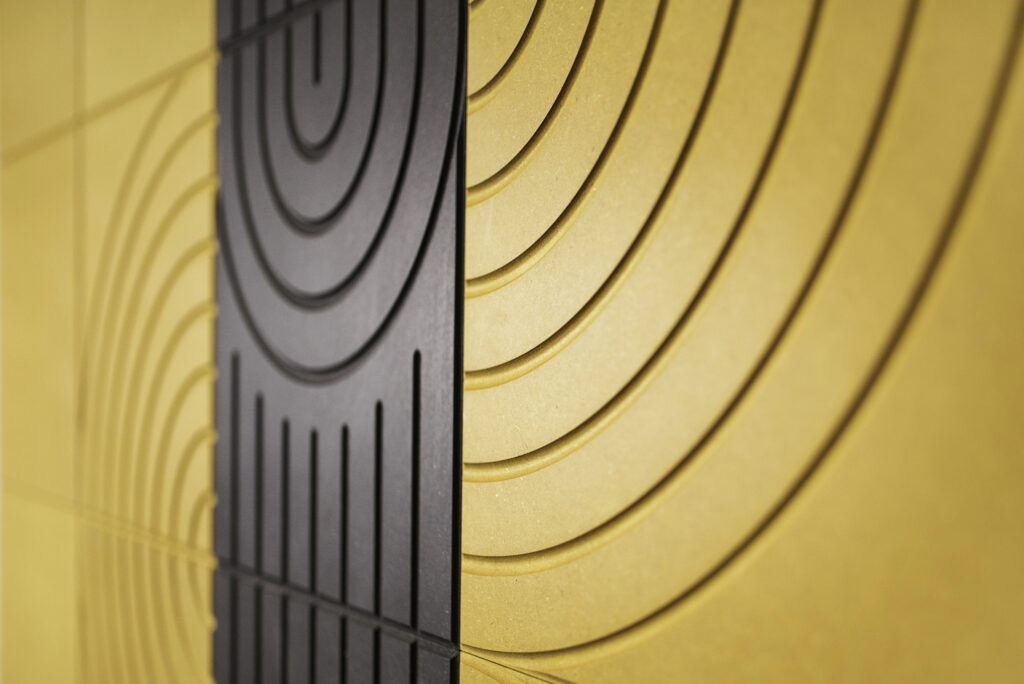
CNC-cut MDF panels offer precise dimensional accuracy and design flexibility, making them suitable for custom wall coverings, feature partitions, furniture fronts, and decorative installations. Panels can be produced with millimetre precision, allowing even the most intricate concepts to be executed cleanly and consistently.
This opens the door to a wide range of design possibilities, including:
- Geometric and parametric feature walls
- Fluted or ribbed surfaces
- Carved 3D relief patterns
- Perforated acoustic panels
- Branded or logo-integrated designs
Because the process is digitally driven, designs can be easily adjusted, scaled, or replicated—making it ideal not only for one-off interiors but also for rollouts across multiple locations.
Finishing Options: From Raw to Fully Finished
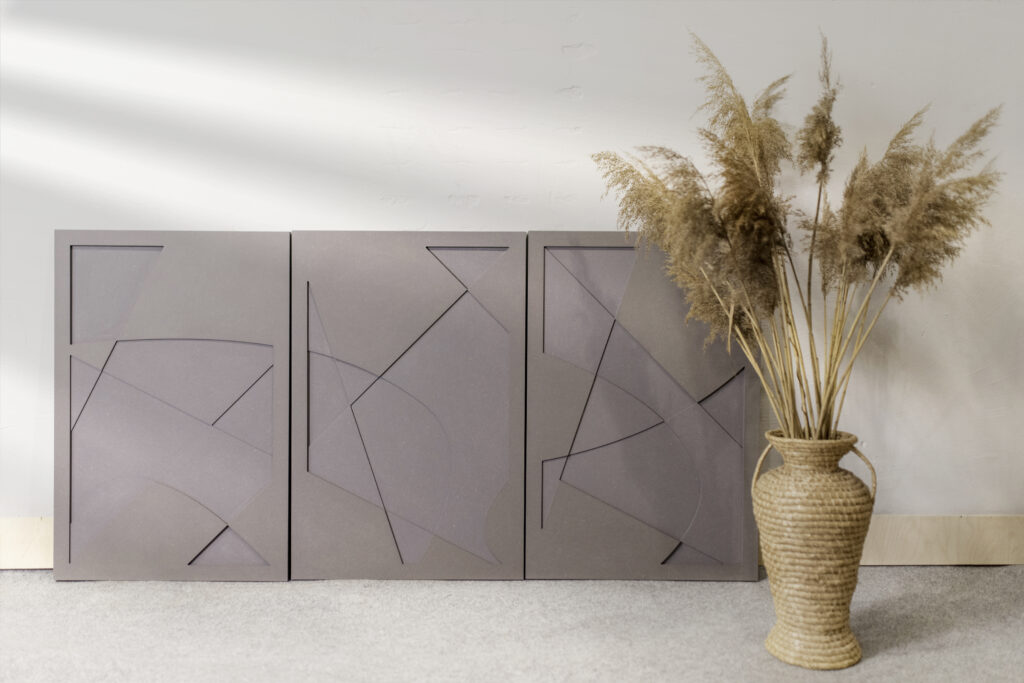
One of MDF’s strongest advantages is how well it takes finishes. Its smooth, uniform surface allows for flawless paint application without the grain showing through, which is often an issue with natural wood.
Depending on the project, panels can be supplied in different stages:
- Raw for on-site finishing
- Primed and ready for paint
- Dyed in specific tones
- Fully pre-sprayed in any RAL or custom colour
Factory finishing, in particular, ensures a consistent, high-quality surface and can significantly reduce installation time on site. For projects with tight timelines or strict quality control, this is a major benefit.
A Cost-Effective Way to Achieve High-End Results
Bespoke usually implies expensive—but MDF challenges that assumption.
Compared to solid wood or fully custom joinery, CNC-cut MDF panels offer a much more cost-efficient solution while still delivering a premium look. Material costs are lower, production is faster, and waste is minimised thanks to digital optimisation.
This makes MDF especially attractive for:
- Office fit-outs
- Retail interiors
- Hospitality projects
- Residential developments
In short, it allows designers and developers to achieve a tailored, high-end aesthetic without exceeding budget constraints.
Performance in Everyday Use
Beyond aesthetics, MDF panels perform well in practical terms when specified correctly.
- Stability: Maintains shape and alignment in interior environments
- Acoustic potential: Can contribute to sound absorption, especially when perforated or combined with backing materials
- Fire-rated options: Available for projects requiring enhanced safety compliance
- Sustainability: Often made using recycled wood fibres, making efficient use of raw materials
Things to Keep in Mind
Like any material, MDF has its limitations. It is not inherently moisture-resistant, so areas exposed to humidity require MR (moisture-resistant) grades and proper sealing. Edges also need to be well finished to ensure durability and a consistent appearance.
With the right specification and installation approach, however, these considerations are easily managed.
Where MDF Panelling Works Best
Thanks to its flexibility, MDF panelling can be adapted to a wide range of interior applications:
Residential:
Feature walls, headboards, hallway panelling, and integrated storage elements
Commercial:
Reception areas, office partitions, acoustic wall systems, branded interiors
Hospitality:
Hotel rooms, restaurants, bars, and decorative ceiling features
Its ability to combine custom design with scalable production makes it particularly valuable for projects that require both individuality and consistency.
Bespoke MDF wall panelling sits at the intersection of design and technology. With CNC machining, it becomes a highly adaptable system capable of translating almost any concept into a precise, buildable solution.